
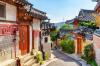
Hanok Heaven: The Most Photogenic Traditional Villages in Korea
Where to Find Korea’s Hanok Villages?
Explore Korea’s most photogenic traditional villages, where hanok, centuries-old Korean houses, feature tiled roofs, wooden beams, and tranquil courtyards designed in harmony with nature. This Korean architectural style was largely developed during the Joseon period (1392–1897). Wander picturesque village alleys, attend tea ceremonies and music performances, or join hands-on workshops in Hanji paper crafts, calligraphy, and pottery.
For a deeper immersion, stay in a hanok guesthouse with ondol floor heating, thick bedding (yo), and sliding paper doors (hanji), often paired with Korean cuisine. Beyond the villages, explore palaces and temples, enjoy riverside picnics, and hike along mountain streams. Farmland landscapes abound on an unforgettable journey through Korea’s hanok heaven, a blend of hospitality, living history, and rural charm.
1. Bukchon Hanok Village
Hands-on crafts and a centuries-old gold leaf workshop

Good for: Photo, History, Couples
Discover Seoul’s Bukchon Hanok Village, a residential area between Gyeongbokgung Palace and Changdeokgung Palace, lined with traditional hanok houses built in the Joseon dynasty. Begin your explorations at a culture center, where you can attend a tea ceremony, or participate in hands-on workshops in Hanji paper crafts, traditional knot making, and calligraphy.
Wander picturesque alleys, including Bukchon-ro 11-gil, a street where traditional and modern houses blend, offering iconic photo opportunities. Visit a gold leaf workshop, housed in an 1800s heritage craft house that once produced gold leaf for royal garments.
Location: Gyedong-gil, Jongno District, Seoul, South Korea
Phone: +82 (0)22-133-1371

Bukchon Hanok Village
2. Andong Hahoe Folk Village
An ancient lotus-shaped village with picturesque views
Good for: History, Photo, Adventure
Andong Hahoe Folk Village, a UNESCO World Heritage Site, is a well-preserved traditional village dating to the 14th–15th century. Admire its picturesque lotus flower layout from the summit of Buyongdae Cliff, with panoramic views of the surrounding mountains. Delve into history at the Hahoe Mask Museum to learn about the Ryu (or Yu) clan, an aristocratic family that founded the village.
The village’s hanok architecture features natural materials, including wooden beams and stone foundations sourced from nearby mountains and riverbeds. Retrace the builders’ steps on a scenic hike alongside the Nakdong River while photographing the grandeur of the Hasan, Gyemyeongsan, and Waryongsan mountains encircling the village.
Location: 186, Jeonseo-ro, Pungcheon-myeon, Andong-si, Gyeongsangbuk-do, South Korea
Open: April–September: daily from 9 am to 5.30 pm. October–March: daily from 9 am to 4.30 pm
Phone: +82 (0)54-853-0109
Andong Hahoe Folk Village
3. Jeonju Hanok Village
A shrine, mountainside pavilions, and a lively market
Good for: Food, Families, History
Jeonju, once the capital of the Hubaekje Kingdom, is celebrated for its Hanok Village, home to nearly 1,000 traditional houses. Begin at Gyeonggijeon Shrine, where the portrait of King Taejo (Yi Seong-gye), founder of Joseon, is enshrined. Nearby, Jeondong Cathedral stands near sites where some of Korea’s earliest Catholic martyrs were executed.
Follow the Hanok Village Route, a mountainside trail, to Omokdae and Imokdae Pavilions, sites once used for military observation and royal leisure, offering sweeping village views from observation decks. End your day at Nambu Traditional Market to savor Jeonju’s signature dishes: bibimbap with rice, vegetables, gochujang, and beef, served with bean sprout soup; tteok-galbi, grilled short rib patties; and hearty wheat noodle soup in chili-spiced broth.
Location: 99, Girin-daero, Wansan-gu, Jeonju-si, Jeonbuk State, South Korea
Phone: +82 (0)63-282-1330
Jeonju Hanok Village
4. Namsangol Hanok Village
Five traditional hanoks and lantern festival illuminations
Good for: Photo, Families, History
At the heart of Seoul, Namsangol Hanok Village is a public cultural site with free admission where five Hanok homes portray traditional Korean life during the Joseon period. Begin your exploration at the traditional garden, where a lotus pond and stone pagodas create a postcard-like scene.
Participate in traditional programs to make a paper lantern or attend a tea ceremony, showcasing fragrant Korean teas, such as omija-cha (5 berry), insam-cha (ginseng), and sikhye (sweet rice). Families can play yutnori, a board game, or attend educational storytelling sessions. Throughout the year, the village hosts festivals like the Namsangol Hanok Village Lantern Festival, where colorful illuminated paper lanterns are released into the night sky.
Location: 28, Toegye-ro 34-gil, Jung District, Seoul, South Korea
Open: April–October: Tuesday–Sunday from 9 am to 9 pm (closed on Mondays). November–March: Tuesday–Sunday from 9 am to 8 pm (closed on Mondays)
Phone: +82 (0)26-358-5533
Namsangol Hanok Village
5. Nagan Eupseong Folk Village
Stone fortress walls and music performances
Good for: History, Photo, Adventure
Nagan Eupseong Folk Village, in Jeollanam-do, is a traditional village with over 200 hanoks clustered together in neighborhoods encircled by stone fortress walls. Participate in traditional crafts such as brush painting or calligraphy to try your hand at writing Korean characters with ink on paper, or opt for a pottery workshop to make your own clay creation.
Attend performances such as the Ugwi military guard parade, a traditional wedding parade, or a melodic gayageum recital, featuring the soothing sounds of this ancient 12-string zither. Beyond the village, rural paths wind through rice paddies and farmland and alongside meandering streams where wildflowers bloom and native birds can be spotted.
Location: 6-4, Pyeongchon-ri, Nagan-myeon, Suncheon-si, Jeollanam-do, South Korea
Open: Daily from 9 am to 6 pm
Phone: +82 (0)61-749-8831
Nagan Eupseong Folk Village
6. Eunpyeong Hanok Village
Hanok stays, forest hikes, and savory Korean cuisine
Good for: Families, Photo
Discover history in Eunpyeong Hanok Village, home to over 150 traditional hanoks within a living community. Wander through picturesque streets or relax at a hanok-style cafe. Stay at a hanok guesthouse or join a Buddhist temple stay to participate in daily temple life.
Visit Jingwansa Temple, nestled in a pine tree-lined valley at the foot of Bukhansan National Park. From here, continue your hike along the Bukhansan Dulle-gil Trail, or take on the Jokduribong–Hyangnobong Peak trails for sweeping mountain views with the scent of pine trees wafting in the air. Afterward, unwind at a traditional restaurant, savoring Korean dishes such as samgyetang (ginseng chicken soup) and bulgogi and ssam (meat wrapped in fresh greens).
Location: 193-14, Jingwan-dong, Eunpyeong District, Seoul, South Korea
Phone: +82 (0)2-351-8523
Eunpyeong Hanok Village
7. Ikseon-dong Hanok Village
Trendy boutiques and local artisan crafts
Good for: Nightlife, Photo, Food
Explore Ikseon-dong Hanok Village’s narrow, winding alleyways, lined with 1920s-30s hanoks, and spot colorful murals and street art. Explore trendy cafes and restaurants and shop at boutiques offering artisan jewelry and handmade crafts. Nearby Changdeokgung Palace, a UNESCO World Heritage Site first built in 1405, served as the principal residence for many Joseon kings, who preferred its elegant architectural design and harmony with nature.
The Secret Garden (Huwon) was a cherished space for royal families to relax in, featuring lotus ponds, pavilions, and the seasonal beauty of surrounding forests. After visiting, indulge in desserts like tteok (rice cakes with sweet red bean paste), bingsu (shaved ice topped with condensed milk and fruit), and hangwa (cookies made from rice or honey).
Location: Ikseon-dong, Jongno District, Seoul, South Korea
Phone: +82 (0)22-148-5243
Ikseon-dong Hanok Village
8. Gyeongju Gyochon Traditional Village
Traditional mask dances and cooking classes
Good for: History, Photo, Couples
Take a short excursion to Gyeongju Gyochon Traditional Village, where more than a hundred hanok houses, many preserved for centuries, reflect the living history of the Silla era. In the village square, enjoy talchum (mask dances), such as lion mask dances rooted in shamanistic and folk traditions, then explore boutique galleries showcasing local artists.
Soak up the village’s historic ambiance as you stroll past tiled roofs, wooden beams, and courtyards that blend seamlessly with the natural landscape. Participate in a Nubi quilting workshop where you can learn about traditional hand-stitched quilting techniques or join a culinary class where you can prepare kimchi and traditional Korean sauces that have been passed down over generations.
Location: 39-2, Gyochon-gil, Gyo-dong, Gyeongju-si, Gyeongsangbuk-do, South Korea
Phone: +82 (0)54-760-7880
Gyeongju Gyochon Traditional Village
9. Oeam Folk Village
A traditional village hamlet with two elaborate hanoks
Good for: History, Food, Photo
Discover Oeam Folk Village, a picturesque living hamlet of 85 traditional hanoks. The village is crossed by an artificial waterway channeling fresh water from the upper valley, which you can stroll alongside to admire the flowing streams and traditional stone bridges. Explore the House of Champan and Geonjae Old House, two elaborate, centuries-old hanoks for insights into how high-ranking officials and wealthy gentry lived centuries ago.
Participate in hands-on crafts such as malt candy making (yeot), traditional food preparation, or paper (hanji) crafts. Situated at the foot of Seolhwasan Mountain, the village is surrounded by rice paddies, orchard groves, and glistening streams, inviting visitors to immerse in natural landscapes while enjoying the fresh country air.
Location: 84, Oeam-ri, Songak-myeon, Asan-si, Chungcheongnam-do, South Korea
Open: Summer: daily from 9 am to 6 pm. Winter: daily from 9 am to 5 pm
Phone: +82 (0)41-541-0848
Oeam Folk Village
10. Yangdong Folk Village
A Joseon-era ceremonial hall and riverside picnics
Good for: History, Photo, Unusual
Step back in time at Yangdong Folk Village, a UNESCO World Heritage Site and Korea’s largest clan village, established in the 15th century. Situated along the Hyeongsan River Basin, the village is surrounded by forested hills and farmland.
Notable hanoks include Mucheomdang, built for functional living; Hyangdan, designed for ceremonies and entertaining guests with its large reception hall; and Gwangajeong, celebrated for its elegant architecture and serene gardens. Stroll along gently flowing streams, picnic by the river, and wander past lush bamboo groves to fully immerse yourself in this remarkable living heritage site.
Location: 91, Yangdongmaeuran-gil, Gangdong-myeon, Gyeongju-si, Gyeongsangbuk-do, South Korea
Phone: +82 (0)54-762-2630
Yangdong Folk Village
This article includes opinions of the Go Guides editorial team. Hotels.com compensates authors for their writing appearing on this site; such compensation may include travel and other costs.